A tribute meant to honor a civil rights icon has quickly turned into a political flashpoint, drawing strong reactions across the country.
Following the death of Rev. Jesse Jackson at the age of 84, Donald Trump issued a public statement praising the longtime activist as a “force of nature” and highlighting his decades of influence in the fight for civil rights.
Trump pointed to his past interactions with Jackson, including providing support for the Rainbow Coalition and working together on initiatives like criminal justice reform and funding for historically Black colleges and universities.
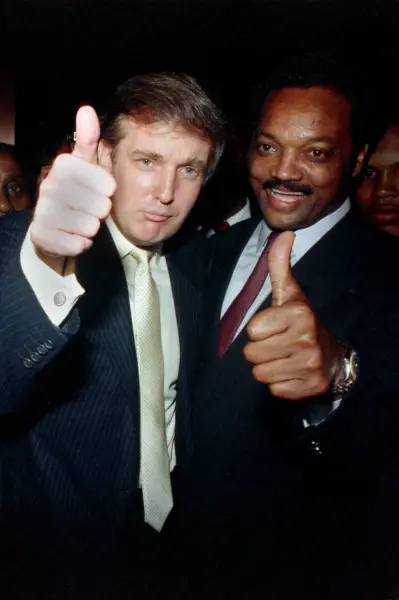
However, the tribute quickly took a controversial turn when Trump used the moment to take aim at Barack Obama. In his statement, he claimed that Jackson had played a major role in paving the way for Obama’s presidency but was not properly credited—and further alleged that Jackson “could not stand” him.
The remarks sparked immediate backlash, with critics accusing Trump of politicizing a moment of mourning. Many argued that the focus should have remained on Jackson’s legacy rather than reigniting political rivalries.
Meanwhile, Obama issued his own tribute, taking a markedly different tone. He described Jackson as a “true giant” of the civil rights movement, crediting him with helping lay the foundation for his own historic presidency and decades of social progress.
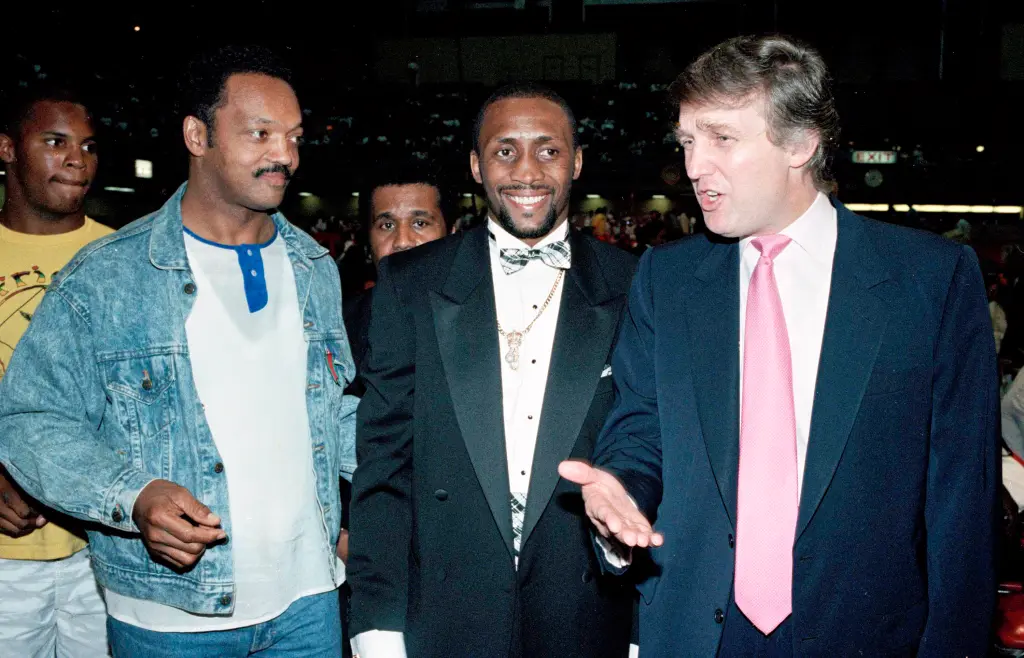
Leaders from across the political spectrum—including former presidents and civil rights figures—also honored Jackson’s life, praising his lifelong commitment to equality, voter rights, and social justice.
Jackson, a protégé of Martin Luther King Jr., spent more than six decades at the forefront of the civil rights movement. He founded the Rainbow Coalition and ran for president twice, helping reshape American politics and expand opportunities for marginalized communities.
As tributes continue to pour in, the contrasting responses highlight not only Jackson’s profound impact but also the deep political divisions that remain in the United States—even in moments of national mourning.