The entertainment world is mourning the loss of a pioneering actress whose career helped break barriers in Hollywood, as Judy Pace has died at the age of 83.
Pace passed away while visiting family in Marina del Rey, California. Her daughters confirmed that she “died peacefully in her sleep,” bringing a quiet end to a remarkable life and career.
Best known for her role in the acclaimed 1971 television film Brian’s Song, Pace portrayed the wife of football legend Gale Sayers in a production that became one of the most-watched TV movies of its time.
She also gained widespread recognition for her role as Vickie Fletcher on the hit primetime soap Peyton Place, where her performance helped establish her as a rising star during the late 1960s.
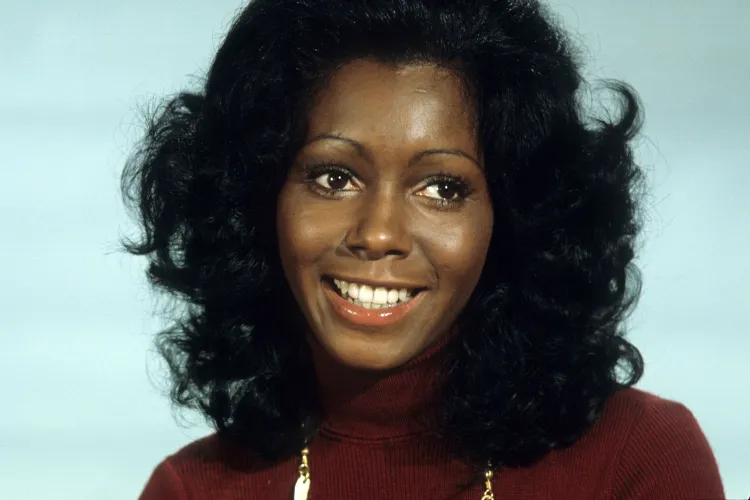
Beyond her acting work, Pace was considered a trailblazer for Black women in Hollywood. She became one of the first Black actresses to secure a contract with a major studio—Columbia Pictures—at a time when opportunities for women of color were extremely limited.
Throughout the 1960s and 1970s, she built a diverse career across television and film, appearing in productions such as The Young Lawyers, Cotton Comes to Harlem, and Frogs. Her performance in The Young Lawyers earned her an NAACP Image Award, further cementing her place in the industry.
Colleagues and critics often praised Pace not only for her beauty and screen presence, but for her ability to bring depth and dignity to her roles during an era when representation was limited. Her work helped open doors for future generations of Black actresses in mainstream entertainment.
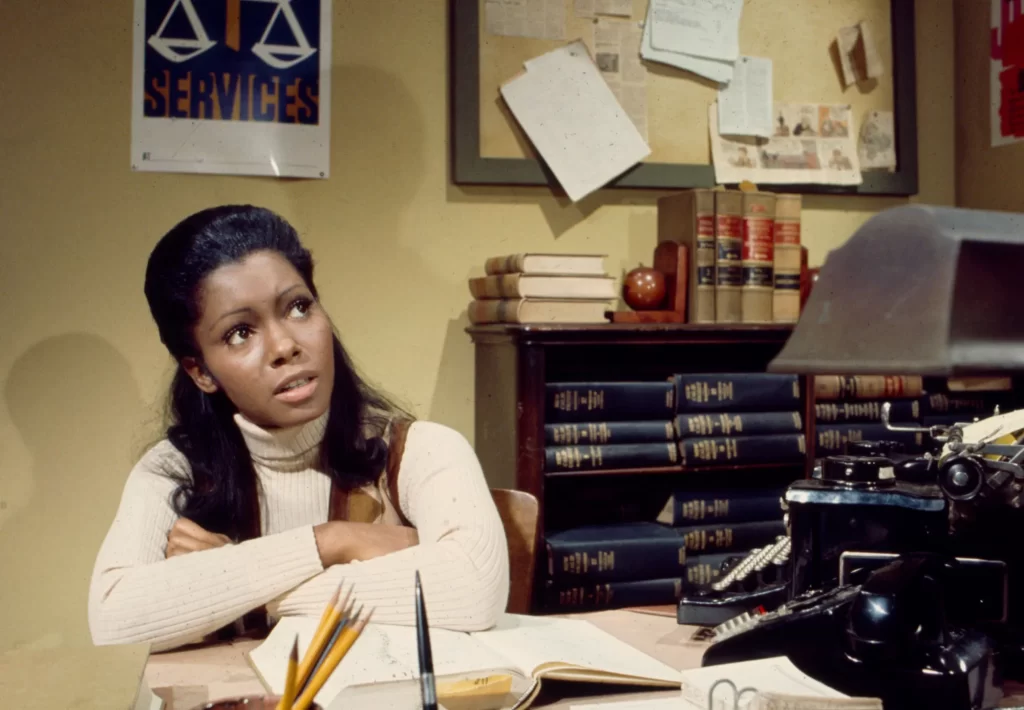
Born in Los Angeles in 1942, Pace began her career as a model before transitioning into acting, where she quickly rose to prominence. Over time, she became known for balancing both dramatic and lighter roles across film and television.
She is survived by her daughters, including actress Julia Pace Mitchell, and leaves behind a legacy defined by talent, resilience, and groundbreaking achievement.
Pace’s passing marks the end of an era, as fans and colleagues reflect on a career that not only entertained audiences but also helped reshape opportunities in Hollywood.