A recent study published in The Lancet Public Health reveals that Generation X (born 1965–1980) and Millennials (born 1981–1996) are experiencing higher rates of cancer compared to previous generations.
The research analyzed data from over 23 million cancer diagnoses and 7 million cancer-related deaths in the United States between 2000 and 2019, focusing on 34 types of cancer.
Key Findings
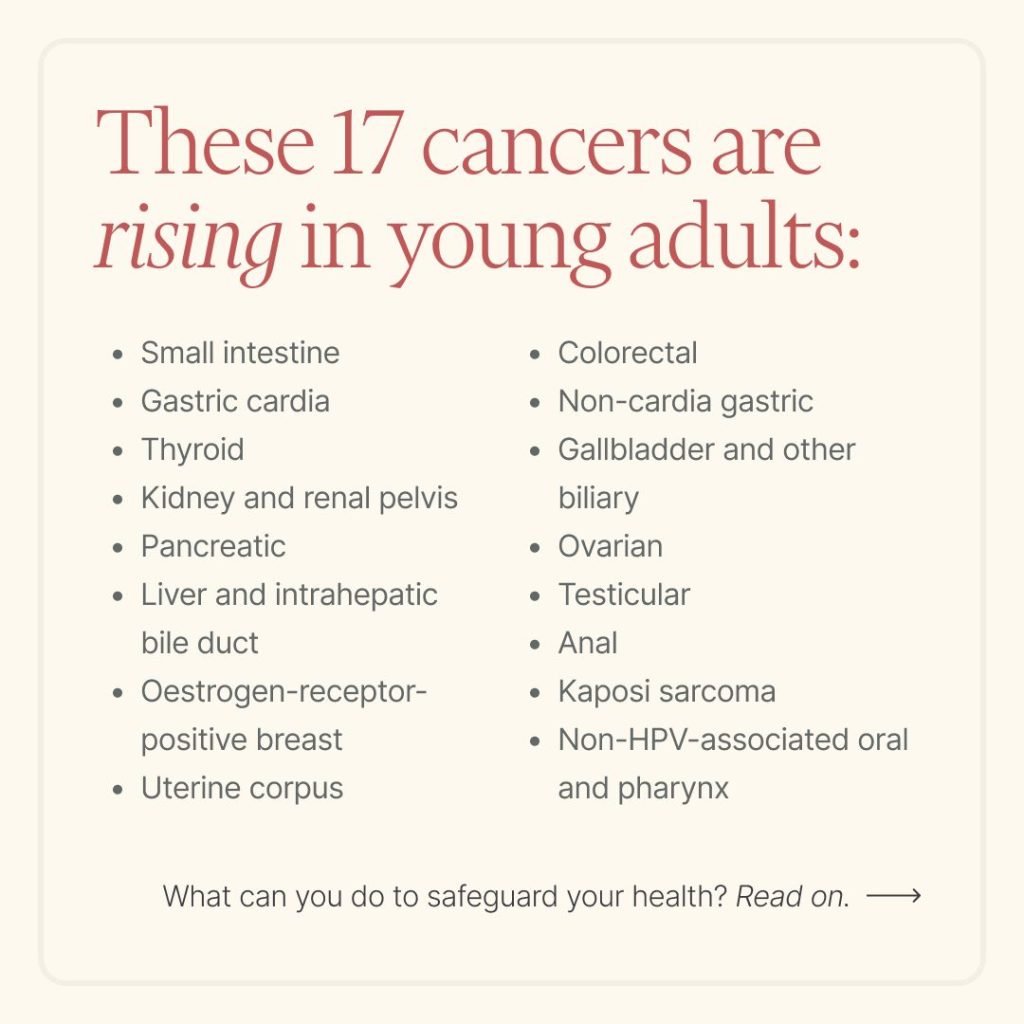
- Increased Incidence in 17 Cancer Types: The study found that 17 out of 34 cancer types have higher incidence rates in Gen X and Millennials compared to Baby Boomers. Notably, cancers of the kidney, pancreas, and small intestine are two to three times more common in individuals born in 1990 compared to those born in 1955.
- Rising Mortality Rates in Specific Cancers: Mortality rates have increased for gallbladder, colorectal, testicular, uterine cancers, and liver cancer among younger women.
- Obesity-Related Cancers: Ten of the 17 cancers with increased incidence are associated with obesity, including colorectal, uterine, and pancreatic cancers.
Potential Contributing Factors
While the exact causes remain under investigation, several factors may contribute to the rising cancer rates among younger generations:
- Lifestyle Factors: Increased obesity rates, sedentary lifestyles, and diets high in processed foods are linked to higher cancer risks.
- Environmental Exposures: Exposure to pollutants and carcinogenic chemicals may play a role.
- Early-Life Exposures: Prenatal exposures and factors during early development are being studied for their potential impact on cancer risk later in life.
Implications and Recommendations
The findings underscore the need for increased awareness and preventive measures:
- Early Screening: Reevaluating screening guidelines to consider earlier detection in younger populations.
- Lifestyle Modifications: Encouraging healthy diets, regular physical activity, and weight management to reduce cancer risk.
- Further Research: Investigating the underlying causes of increased cancer incidence to develop targeted prevention strategies.
As cancer patterns shift, adapting public health approaches to address the unique risks faced by younger generations becomes increasingly important.