The Power of Gyan Mudra: Benefits and How to Practice It
In the world of yoga and meditation, even the smallest gestures can hold deep significance. One such gesture is the Gyan Mudra, also known as the “Mudra of Knowledge.”
Often seen in the hands of meditating yogis, this simple hand position is more than just a symbol—it’s a powerful tool for mental clarity, spiritual growth, and overall well-being.
What Is Gyan Mudra?
Gyan Mudra is a sacred hand gesture where the tip of the index finger lightly touches the tip of the thumb, while the other three fingers remain extended. It is traditionally performed with both hands and is often used during meditation or pranayama (breathing exercises).
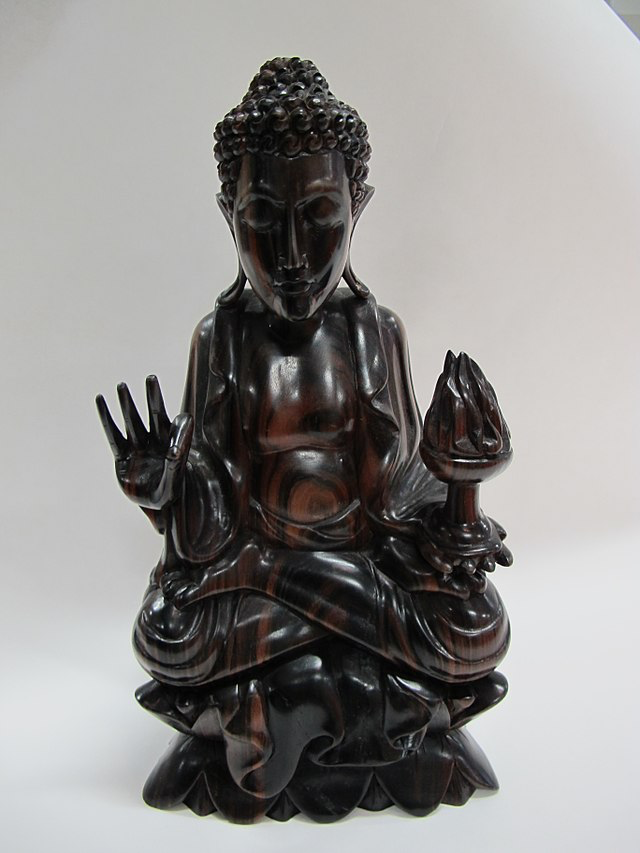
In Sanskrit:
- Gyan means knowledge or wisdom
- Mudra means gesture or seal
This mudra symbolizes the union of the individual soul (index finger) with universal consciousness (thumb), creating a connection between the self and higher wisdom.
Benefits of Gyan Mudra
1. Enhances Concentration and Memory
Gyan Mudra stimulates the brain and improves focus, making it a favorite among students, professionals, and meditators.
2. Reduces Stress and Anxiety
By calming the nervous system, this mudra helps reduce mental tension and promote inner peace.
3. Promotes Better Sleep
Regular practice can help relieve insomnia and encourage deeper, more restful sleep.
4. Improves Mood and Emotional Balance
It is believed to harmonize the energies in the body, supporting emotional stability and reducing irritability.
5. Supports Spiritual Growth
Many spiritual practitioners use Gyan Mudra to deepen meditation and increase their connection to higher consciousness.
6. Boosts Creativity
By sharpening the mind and calming inner chatter, this mudra can help unlock creative thinking and innovation.
How to Practice Gyan Mudra
- Sit Comfortably
Choose a seated position like Sukhasana (easy pose) or Padmasana (lotus pose). Keep your spine straight and shoulders relaxed. - Form the Mudra
Touch the tip of your index finger to the tip of your thumb on both hands. Keep the other fingers extended and relaxed. - Place Your Hands
Rest your hands on your knees or thighs, palms facing upward. - Breathe Deeply
Close your eyes and focus on your breath. Inhale deeply through your nose, and exhale slowly. - Meditate or Be Still
Stay in the mudra for 10–30 minutes. You can combine it with chanting, silent meditation, or simply observing your breath.
When to Use It
- During morning meditation to set a calm, focused tone for the day
- Before studying or creative work to boost mental clarity
- When feeling anxious, overwhelmed, or restless
- Before bed to unwind and prepare for sleep
Final Thoughts
Gyan Mudra may seem like a small gesture, but its effects can be profound. In a world full of distractions and stress, this simple hand position offers a quiet doorway to peace, wisdom, and inner strength.
Try it today—even a few minutes can make a difference.