Half the Honey on Store Shelves May Be FAKE — Here’s How to Tell If You’ve Been Fooled!
Think the honey in your kitchen is pure? Think again. A shocking new investigation reveals that 5 out of 10 popular honey brands in Europe FAIL to meet basic quality standards — and chances are, some of it is already sitting in your pantry.
From being diluted with cheap syrups to being harvested too early, fake honey is slipping past regulations and straight into your grocery cart. These counterfeit products may look and taste like real honey, but they’re far from the natural superfood you think you’re buying.
Worse yet? Home “tests” like the napkin trick or ant test are mostly myths, and many of the tips circulating online don’t hold up under scientific scrutiny.
So, How Can You Protect Your Health and Your Wallet From Being Scammed?
Here’s what real honey SHOULD look like — and the red flags to watch out for:
1. Check the Label — and Read Between the Lines
Real honey should have just one ingredient: honey. Watch out for sneaky additives like “glucose syrup,” “fructose syrup,” or “invert sugar.” Phrases like “blend of EU and non-EU honeys” or “honey blend” can also be a warning sign that your honey isn’t as pure as it claims.
2. Know Your Source
The safest way to ensure you’re getting the real deal? Buy directly from local beekeepers or trusted organic producers.
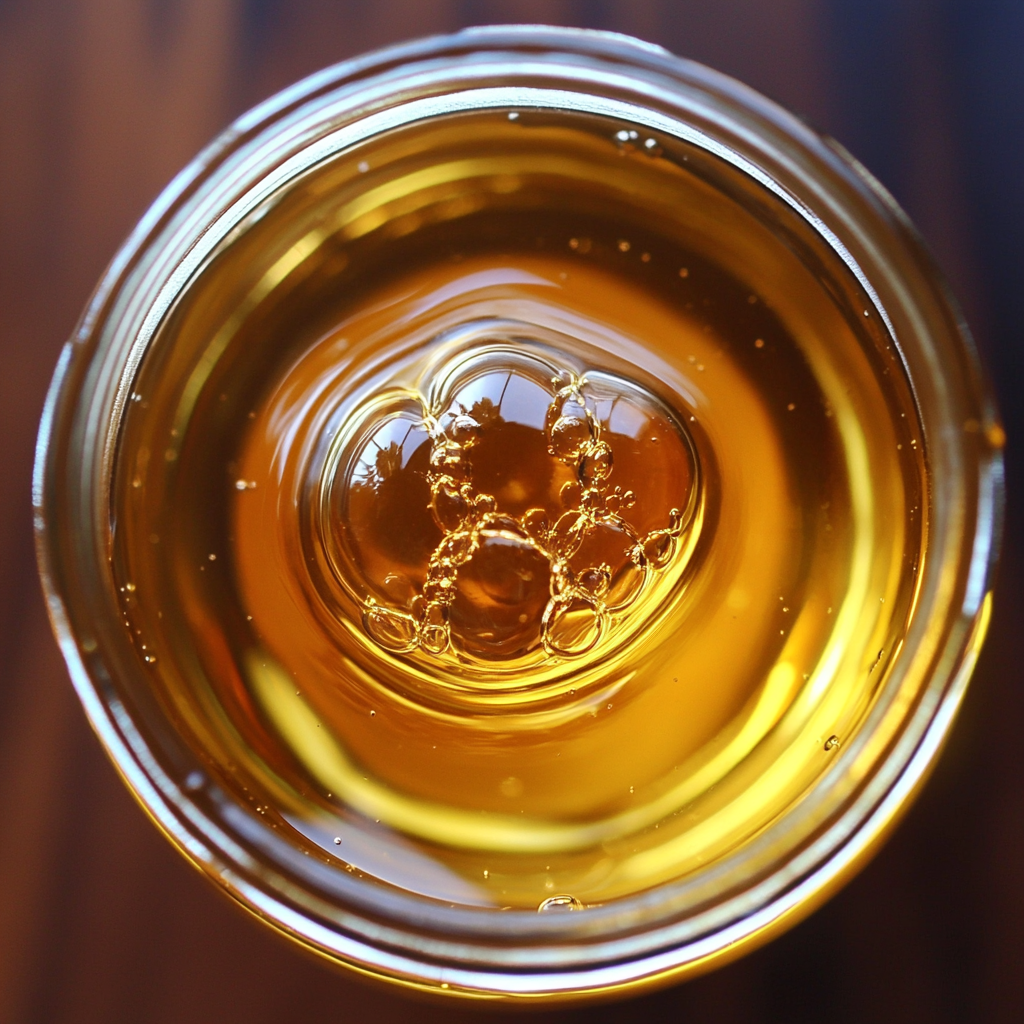
Local honey not only supports small farmers but also reduces the risk of adulteration. Farmers’ markets, co-ops, and independent health food stores are your best bet.
3. Look at the Price (If It’s Too Good to Be True, It Probably Is)
Pure honey is labor-intensive to produce. If a large jar is suspiciously cheap, there’s a good chance it’s been cut with cheaper sweeteners. Quality honey comes at a cost — and your health is worth the extra few bucks.
4. Crystallization Is a Good Thing
Contrary to popular belief, real raw honey tends to crystallize over time, especially at cooler temperatures. If your honey stays perfectly clear and runny for months on end, it may have been ultra-filtered or diluted. Don’t fear the crystals — they’re a sign your honey hasn’t been tampered with.
5. Lab-Tested Honey: The Gold Standard
When in doubt, look for brands that openly share their independent lab testing results. Tests like Nuclear Magnetic Resonance (NMR) or isotope analysis can confirm whether honey has been adulterated with syrups. Transparent brands will proudly display this information.
Why Fake Honey Is More Than Just a Rip-Off
It’s not just about taste or quality — adulterated honey can rob you of the powerful health benefits that raw, real honey provides. Genuine honey is packed with antioxidants, enzymes, and antibacterial properties. But when it’s cut with sugar syrups or harvested too early, those benefits are watered down — literally.
In some cases, fake honey may even contain harmful residues from unregulated processing, including antibiotics or pesticides that would never be allowed in authentic, carefully produced honey.
Bottom Line: Don’t Be Fooled by the Buzz
If you’re serious about what you’re putting on your toast, in your tea, or into your body, it’s time to rethink your honey habits. Ditch the gimmicky home tests and focus on what really matters: knowing your source, reading the label carefully, and trusting brands that prove their purity.
Because when it comes to honey, not all that glitters is gold — but the real stuff? It’s absolutely worth the hunt.
Stay informed. Stay sweet. Share this article to help others avoid the honey trap! 🐝🍯