DRINK ALERT: Urgent Warning to Parents About Popular Beverages That Should NEVER Be Given to Children
Health experts are issuing an urgent warning to parents regarding certain popular beverages that pose significant health risks to children.
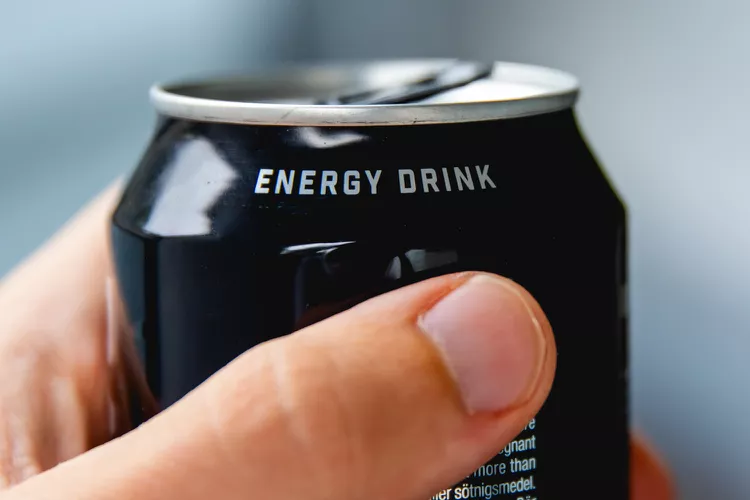
Specifically, energy drinks and sugar-free slushies have been identified as particularly harmful due to their high caffeine content and the presence of additives like glycerol.
⚠️ Energy Drinks: A Hidden Danger for Kids
Energy drinks, often marketed with vibrant packaging and celebrity endorsements, are increasingly consumed by children and adolescents.
However, these beverages can have serious health implications for young individuals.
Key Concerns:
- High Caffeine Content: Many energy drinks contain caffeine levels that far exceed the recommended limits for children. The American Academy of Pediatrics advises that children under 12 should avoid caffeine entirely, and those aged 12–18 should limit intake to no more than 100 mg per day. Some energy drinks contain up to 200 mg per can, doubling this recommended limit
- Health Risks: Consumption of energy drinks by children has been linked to increased heart rate, high blood pressure, irregular heartbeat, anxiety, sleep disturbances, and even seizures
- Behavioral Issues: Schools have reported that students consuming energy drinks exhibit hyperactivity, inattention, and aggression, making them “unteachable” in some cases .
🧊 Sugar-Free Slushies: Not as Innocent as They Seem
Sugar-free slushy drinks, popular among young children, have come under scrutiny due to the inclusion of glycerol, a sweetening agent that can be toxic in high amounts.
Health Implications:
- Glycerol Toxicity: A study published in the Archives of Disease in Childhood found that children under the age of four who consumed slushies containing glycerol experienced symptoms like drowsiness, dangerously low blood sugar, and metabolic imbalances .
- Real-Life Incident: In Lancashire, England, a 4-year-old girl became unconscious just ten minutes after consuming a glycerol-containing slushy, leading to a three-day hospitalization .
✅ Recommendations for Parents
To safeguard children’s health, experts advise:
- Avoid Energy Drinks: Children and adolescents should not consume energy drinks due to their high caffeine and sugar content.
- Be Cautious with Slushies: Refrain from giving sugar-free slushy drinks containing glycerol to children, especially those under eight years old.
- Promote Healthy Alternatives: Encourage consumption of water, milk, and natural fruit juices instead of caffeinated or artificially sweetened beverages.
- Educate Children: Discuss the potential health risks associated with these drinks to help children make informed choices.
By staying informed and vigilant, parents can help ensure their children’s well-being and prevent potential health emergencies related to these popular but potentially dangerous beverages.